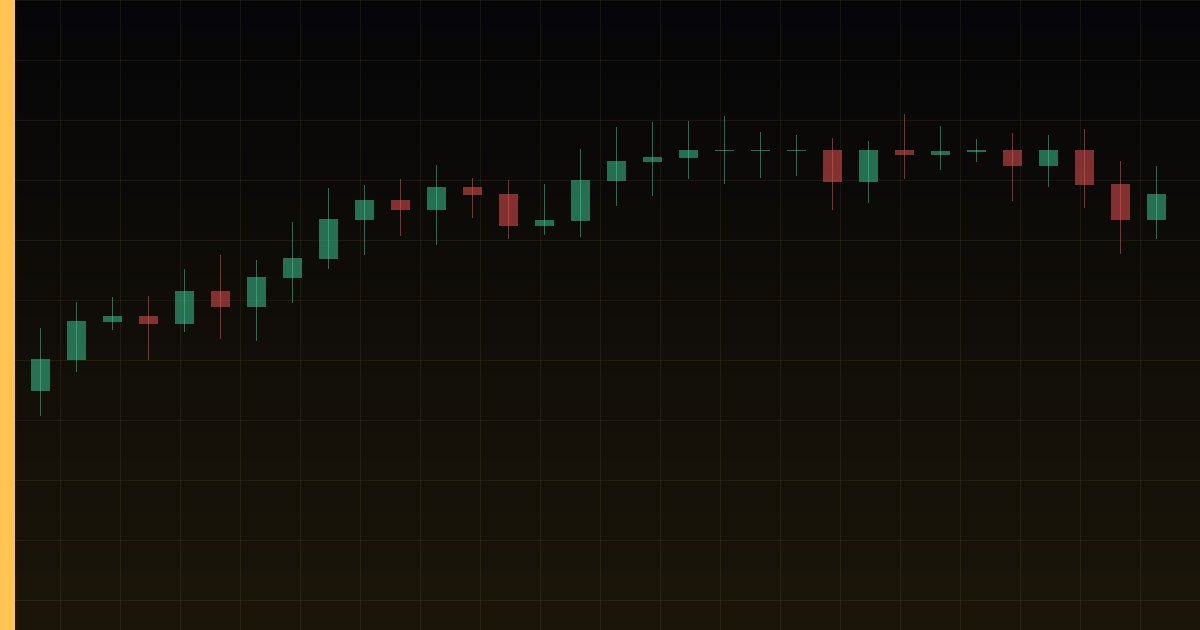
Gold prices declined after the release of U.S. inflation data that reinforced market expectations for continued Federal Reserve interest rate hikes. The precious metal’s move lower reflects the inverse relationship between gold and interest rate expectations, as higher rates increase the opportunity cost of holding non-yielding assets.
Key takeaways
- Gold prices eased following the latest U.S. inflation report
- Inflation data strengthened bets on further Federal Reserve rate hikes
- Higher interest rate expectations typically pressure gold prices
- The move illustrates gold’s sensitivity to monetary policy outlook
Inflation data drives rate expectations
The latest U.S. inflation readings provided fresh evidence that price pressures remain persistent enough to warrant continued monetary tightening. Market participants interpreted the data as increasing the probability that the Federal Reserve will maintain or extend its rate hiking cycle. This shift in expectations directly impacted gold markets, as the metal does not generate yield and becomes less attractive when interest-bearing alternatives offer higher returns.
Gold’s relationship with interest rates
Gold typically moves inversely to real interest rates and rate hike expectations. When the Federal Reserve raises rates or signals further increases, the dollar often strengthens and yields on competing assets rise. Both factors create headwinds for gold prices. The recent price action demonstrates this dynamic, with the inflation data serving as a catalyst for reassessing the Fed’s policy trajectory.
Market positioning adjusts to policy outlook
Traders and investors recalibrated positions following the inflation release, reducing exposure to gold as the probability of higher-for-longer rates increased. The adjustment reflects how quickly commodity markets incorporate changing monetary policy expectations. The magnitude of gold’s move will depend on how subsequent data points either confirm or challenge the current rate hike narrative.
What this means for traders
Market participants should monitor upcoming inflation reports and Federal Reserve communications for clues about the future rate path. Gold’s direction will likely remain tied to shifts in rate hike probabilities. Watch for any divergence between inflation trends and Fed rhetoric, as such gaps could create trading opportunities in the precious metals complex.
Frequently asked questions
Why did gold prices decline after the inflation data?
Gold prices eased because the U.S. inflation data reinforced expectations that the Federal Reserve will continue raising interest rates, making non-yielding gold less attractive.
How do interest rate hikes affect gold?
Higher interest rates increase the opportunity cost of holding gold since the metal does not generate yield, while rate hikes often strengthen the dollar, adding further pressure on gold prices.
What should traders watch for gold's next move?
Traders should monitor upcoming inflation reports and Federal Reserve communications for signals about the future interest rate path, as gold's direction remains tied to shifts in rate hike probabilities.
Source: Investing.com Commodities
Get live signals and free trading courses in the ForexMentor app for Windows. Download the app
Trading leveraged products carries a high level of risk and may not suit every investor. This article is news and general information, not financial advice. Any decision to trade is yours alone.