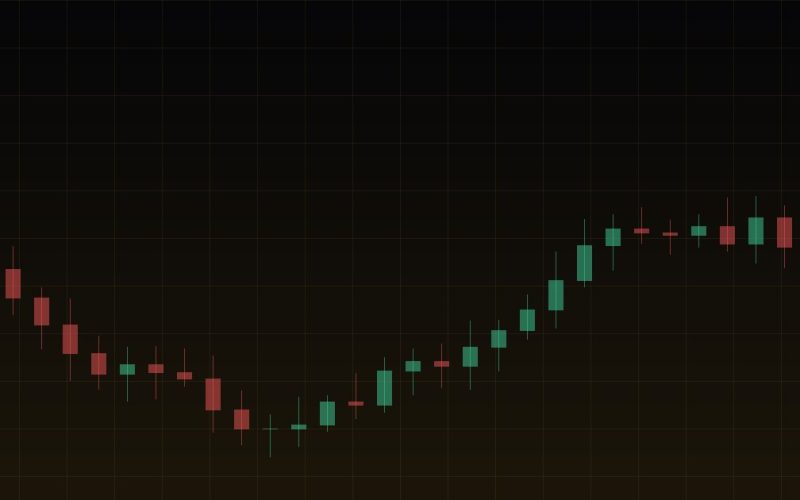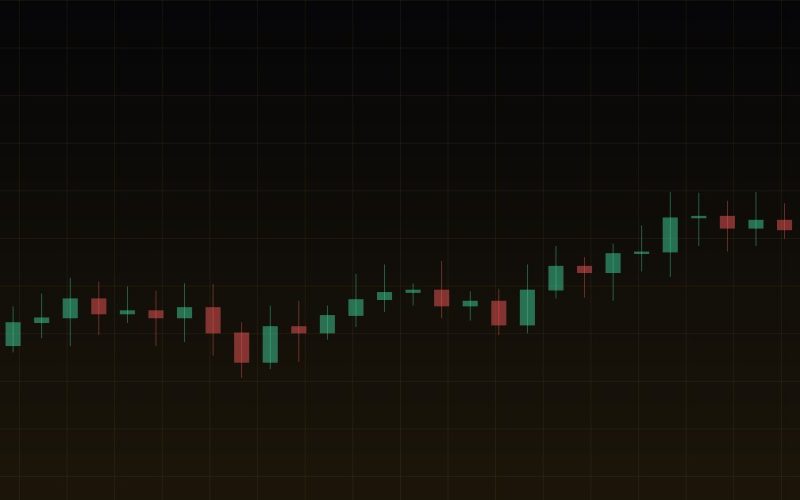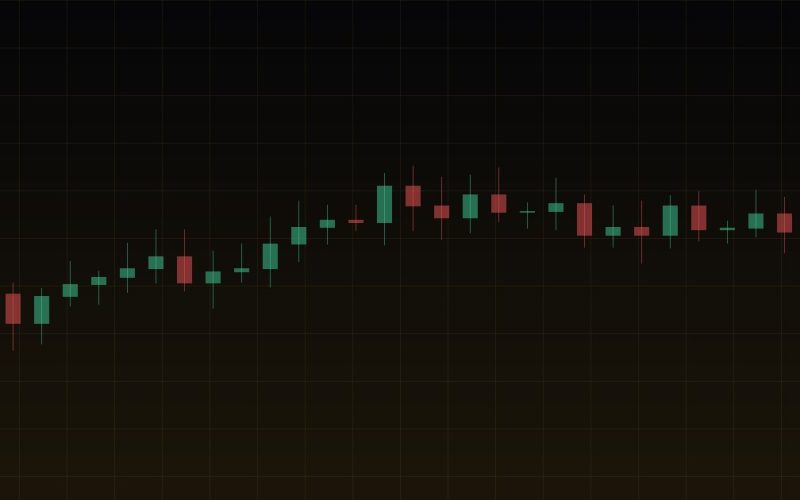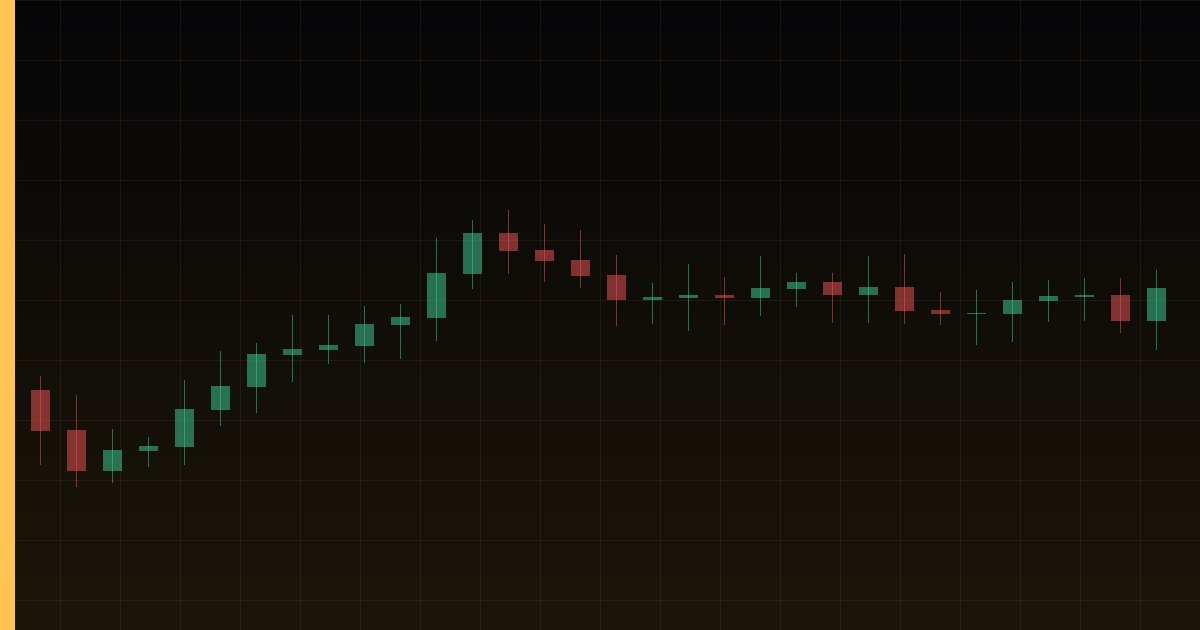
Gold prices recovered to around $3,575 during early Asian trading on Thursday, supported by declining U.S. Treasury yields and a weaker dollar. The rebound follows a volatile session where inflation data showed continued price pressures, reinforcing expectations for a December rate hike by the Federal Reserve.
Key takeaways
- Gold climbed above $3,550 as lower yields and a softer dollar provided temporary support.
- U.S. core PCE inflation rose 3.3% year-over-year in October, the highest since 2023, keeping a December rate hike on track.
- Commerzbank warns gold could post its sharpest annual decline in 13 years unless it recovers significantly before year-end.
- Technical indicators show price below the 100-day moving average and near lower Bollinger band support at $3,490.
- Fed sentiment indexes signal a modest hawkish shift, supporting the dollar against lower-yielding peers.
Inflation data and rate expectations
The U.S. Personal Consumption Expenditures Price Index increased 3.8% year-over-year in October, matching forecasts, while the core measure rose 3.3%, above the 3.2% estimate. This keeps the Federal Reserve on a path for a quarter-point rate hike in December, with futures pricing in as many as three hikes by mid-2025. Higher rates typically weigh on non-yielding assets like gold.
Analyst outlook and technical levels
Commerzbank notes that unless gold stages a notable recovery in the remaining weeks, it faces its steepest annual drop since 2013. The bank maintains a medium-term target of $4,100 by end of 2027, citing eventual rate-cut speculation. On the daily chart, XAU/USD trades below the 100-day simple moving average and the Bollinger middle band, with the 14-period RSI near 32 indicating moderate oversold conditions. Resistance clusters around the Bollinger middle band near $3,865 and the upper band at $4,235, while the lower band at $3,490 marks key support.
Fed sentiment and dollar dynamics
The FXS Fed Sentiment Index rose to 152.49, reflecting a modest hawkish shift, while the FXS Speechtracker score for Fed official Williams held at 6.2 out of 10. Williams emphasized that the central bank still has work to do to return inflation to 2%, projecting 3.5% inflation in 2026 with upside risks. This reinforces a higher-for-longer rate stance that tends to underpin the dollar.
What this means for traders
Market participants should monitor upcoming inflation releases, Fed communications, and dollar index movements for clues on gold’s next direction. The technical setup suggests downside risk remains while price stays below the 100-day average, but a break above the Bollinger middle band could signal a shift in momentum. Fiscal policy developments and any change in rate-hike pricing will also influence the outlook.
Frequently asked questions
Why did gold prices rise above $3,550?
Gold rose as U.S. Treasury yields fell and the dollar weakened, making dollar-priced commodities cheaper for foreign buyers.
What inflation data supports a December rate hike?
The core PCE price index increased 3.3% year-over-year in October, above the 3.2% forecast, keeping the Federal Reserve on track for a rate hike.
What are the key technical levels for gold?
Resistance lies at the Bollinger middle band near $3,865 and the upper band at $4,235, while support is at the lower Bollinger band around $3,490.
Source: FXStreet
Get live signals and free trading courses in the ForexMentor app for Windows. Download the app
Trading leveraged products carries a high level of risk and may not suit every investor. This article is news and general information, not financial advice. Any decision to trade is yours alone.